
THE BALL
At least 42.67 mm
A ball must be no smaller than 42.67 mm across and no heavier than 45.93 g.
Why the dimples?WHAT THE RULES SAY
A game of feel is built on a few exact measurements.
The hole, the ball, the clubs in your bag and even the time you may spend looking for a lost ball are all set down in the Rules of Golf. Here are the numbers that matter, what they mean on the course, and why a golf ball has dimples at all.
Plain English, with the sources linked.

108 MM the hole
THE SHORT ANSWER
The R&A and the USGA write the Rules together.
These are the limits most golfers meet first.
THE BALL
A ball must be no smaller than 42.67 mm across and no heavier than 45.93 g.
Why the dimples?THE BAG
You may start and play a round with up to 14 clubs. One more costs penalty strokes.
Before you tee offA QUICK SIZE CHECK
Pick a piece of the game to see the limit the Rules of Golf and the Equipment Rules set for it.
These are the published limits for conforming equipment and play. Committees can add local rules for particular competitions.
TWO COMPARISONS WORTH KNOWING
A few millimetres and a dimpled skin
shape every shot you play.
108 vs 42.67 mm
Hole width against minimum ball width
The hole is about two and a half times as wide as the smallest ball allowed. That leaves room for a ball to drop in from slightly off line, but not much.
HOLE VS BALL
Nearly 2×
How far a ball can carry
Penn State aerospace engineers explain that dimpled balls can travel nearly twice as far as smooth ones, because the dimples shrink the drag-producing wake behind the ball.
DIMPLED VS SMOOTH
The dimple trade-off is neat: a turbulent layer of air adds a little skin friction, but it stays attached to the back of the ball for longer, so pressure drag falls by more.
ON THE COURSE
Before the first tee, count the clubs in your bag. A spare wedge or a friend’s putter tucked in by mistake is the classic way to go over.
The three minutes begin when you or your caddie start searching, not when you reach the area. Glance at your watch.
Under stroke and distance, a lost ball means one penalty stroke and playing again from where you hit the previous shot.
If a club or ball is sold for competition, check that it conforms: 460 cc for a driver head, 48 inches for length, 42.67 mm and 45.93 g for a ball.
RULE FACTS

The Equipment Rules say a ball must not weigh more than 45.93 g and must not be less than 42.67 mm in diameter. Lighter or larger is allowed.
Every hole is 108 mm in diameter and at least 101.6 mm deep, under the definition of “hole” in the Rules of Golf.
Rule 4.1b limits a player to 14 clubs. In stroke play a breach costs two strokes for each hole where it happened, to a maximum of four in the round.
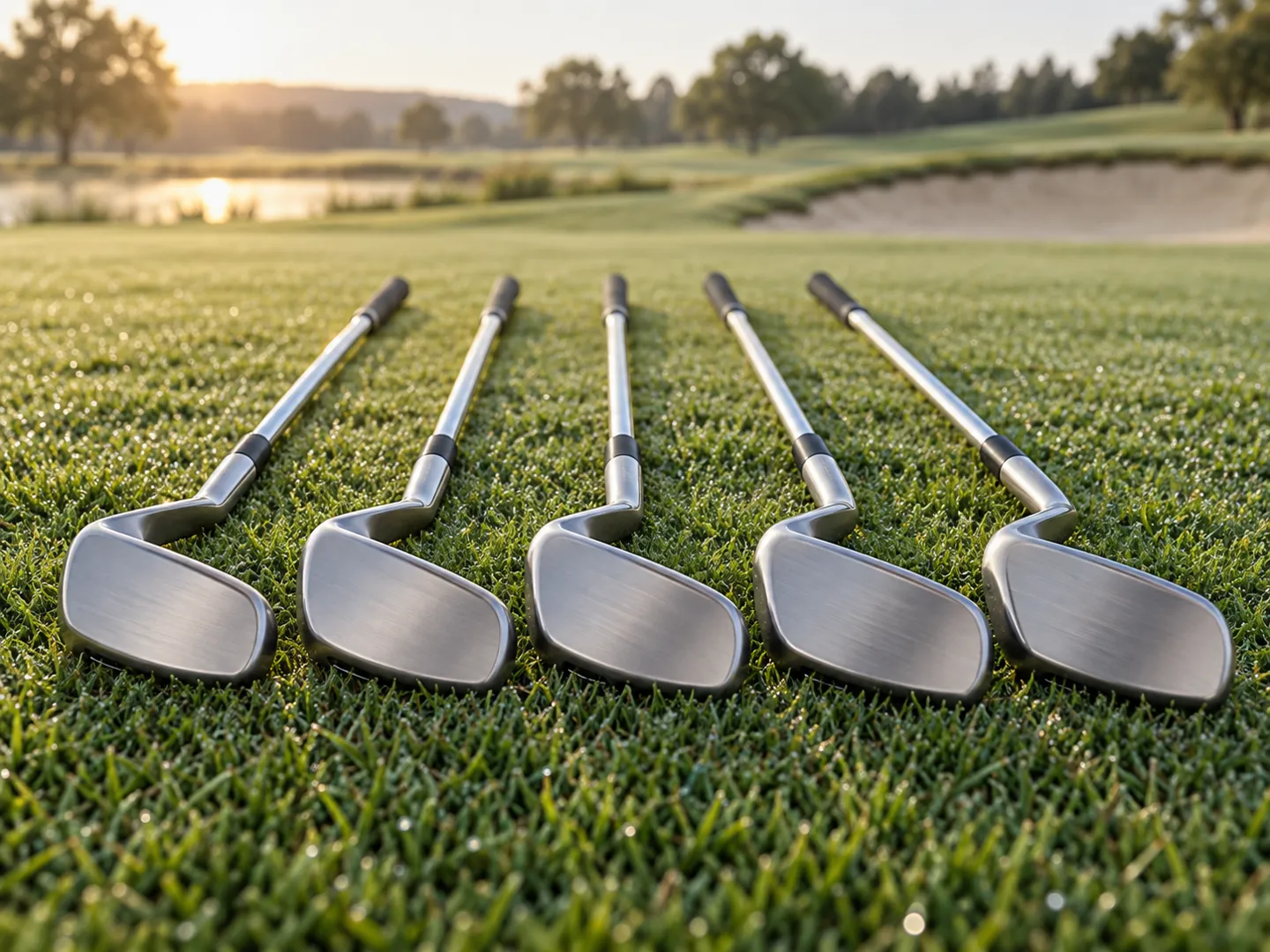
A wood’s head may not exceed 460 cubic centimetres plus a 10 cc tolerance, and clubs other than putters may not be longer than 48 inches.
A ball is lost if it is not found within three minutes of starting to search. Stroke-and-distance relief then means one penalty stroke and a replay from where you last played.
QUICK QUESTIONS
Short answers to the questions people ask most.
Under the Rules of Golf the hole must be 4¼ inches (108 mm) in diameter and at least 4 inches (101.6 mm) deep. That is roughly two and a half times the minimum width of a ball.
No more than 14. Under Rule 4.1b a player must not start a round with, or have during the round, more than 14 clubs. In stroke play the penalty is two strokes for each hole where the breach happened, up to four strokes in the round.
The Equipment Rules say a ball must not weigh more than 1.620 ounces (45.93 g) and its diameter must not be less than 1.680 inches (42.67 mm).
Dimples make the thin layer of air around the ball turbulent. A turbulent layer clings to the back of the ball for longer, so the low-pressure wake behind it is smaller and pressure drag falls. Penn State notes that dimpled balls can travel nearly twice as far as smooth ones.
Three minutes. Rule 18.2a says a ball is lost if it is not found within three minutes after the player or their caddie begins to search. The usual relief is stroke and distance: one penalty stroke and a replay from where the previous stroke was made.
Sources
A NAME ON THE TEE
doodlegolf.com is part of the DoodleSale portfolio. It isn't in an auction right now, but you can ask about leasing it.